Short matches, different goals
Matches are short, and each one can be won in a different way. This article explains how the victory condition should shape your role, gear and route choices from the first move.
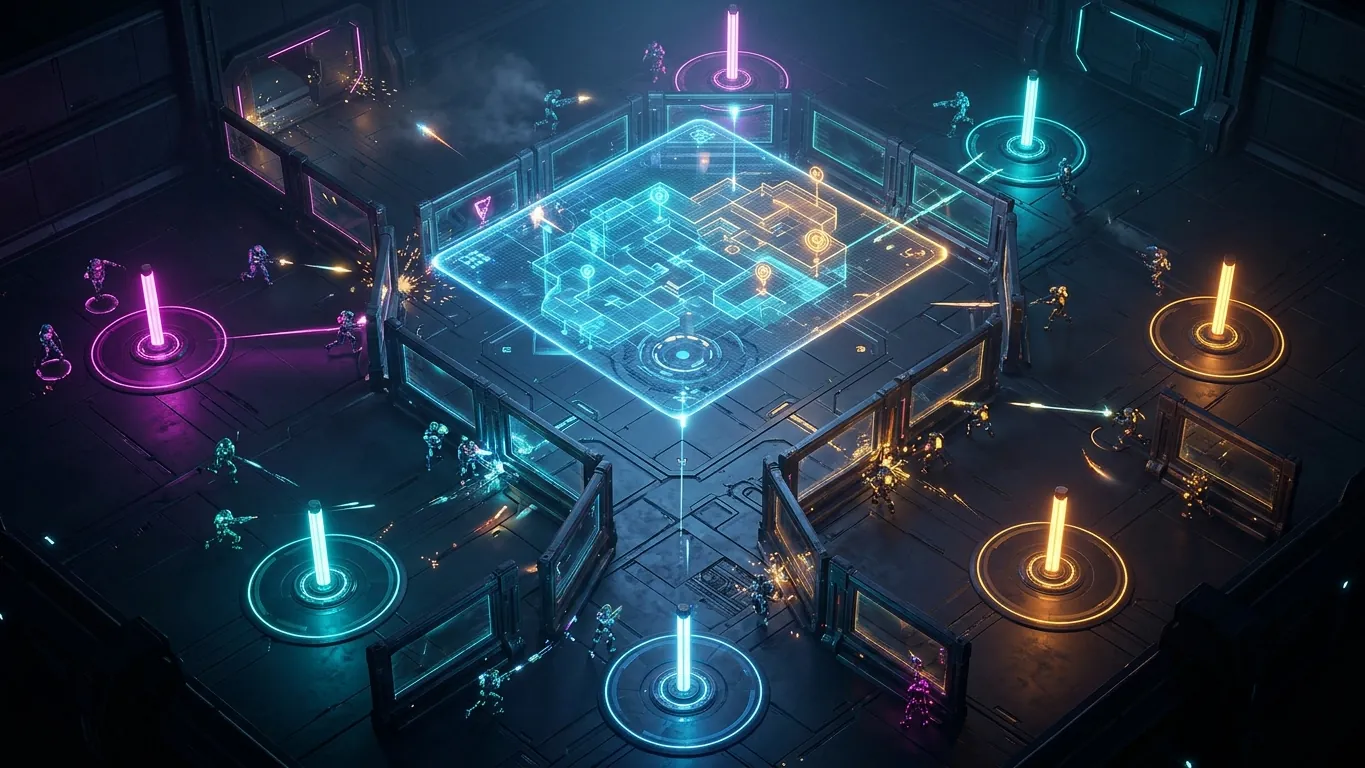
Why the win condition changes everything
Many players treat every match the same way: run in, tag rivals, capture what they can. In this game, that approach leaves a lot on the table, because matches can use different victory conditions. The goal of a match changes which actions matter most and which ones are simply distractions.
This article describes common kinds of goals you may encounter in this style of game. The specific details can vary, but the underlying idea stays the same: read the goal first, then decide how to play. Because matches are short, a wrong early priority is hard to recover from.
Goals built around holding points
Some matches reward the team that holds control points for longer. In these matches, steady defence becomes very valuable. Losing a point for a few moments is not a disaster, but leaving it unguarded for a long stretch can be.
Rebuilds play a big role here. Each time the walls move, the routes into a held point change, and defenders need to reposition to cover the new entrances. Attackers, meanwhile, look for the rebuild that opens a weak side. If you enjoy patient, positional play, these matches tend to suit you, and protective or information gear is often a sensible choice.
Goals built around capturing
Other matches focus on capturing points rather than holding them, perhaps by reaching a set of objectives before the other side. These matches reward speed, scouting and smart routing. A team that can move efficiently between points, using new openings as soon as they appear, gains a real edge.
In capture-focused matches, it can make sense to leave a point once it is taken and move on to the next. Spending too long defending something you already hold may slow you down. Fast attacks and movement gear fit naturally here, supported by a scout who can tell the team which route is clear after each rebuild.
Reading the condition before the first move
The opening seconds of a match are a good time to pause and think. Check the victory condition, look at the holographic map and note where the control points sit in the starting layout. Then ask a few simple questions. Does this match favour holding or capturing? Which role will help the team most? Does my gear suit the goal?
This short pause is easy to skip when you are eager to start, but it often decides how the rest of the match unfolds. Players who match their plan to the goal tend to make calmer decisions at each rebuild warning, because they already know what they are trying to achieve.
Adapting when time runs short
Short matches create a natural rhythm: an opening, a middle phase shaped by several rebuilds, and a final stretch where every decision counts. As the end approaches, the right choice can shift. A team that is ahead might switch toward defence to protect its lead. A team that is behind may need to take more chances with fast attacks.
Keep the goal in mind during these final moments. In a holding match, staying alive on a point matters more than chasing tags. In a capture match, one more successful capture might matter more than anything else. Adapting your approach to both the goal and the time remaining is one of the clearest signs of an experienced player.
Related articles
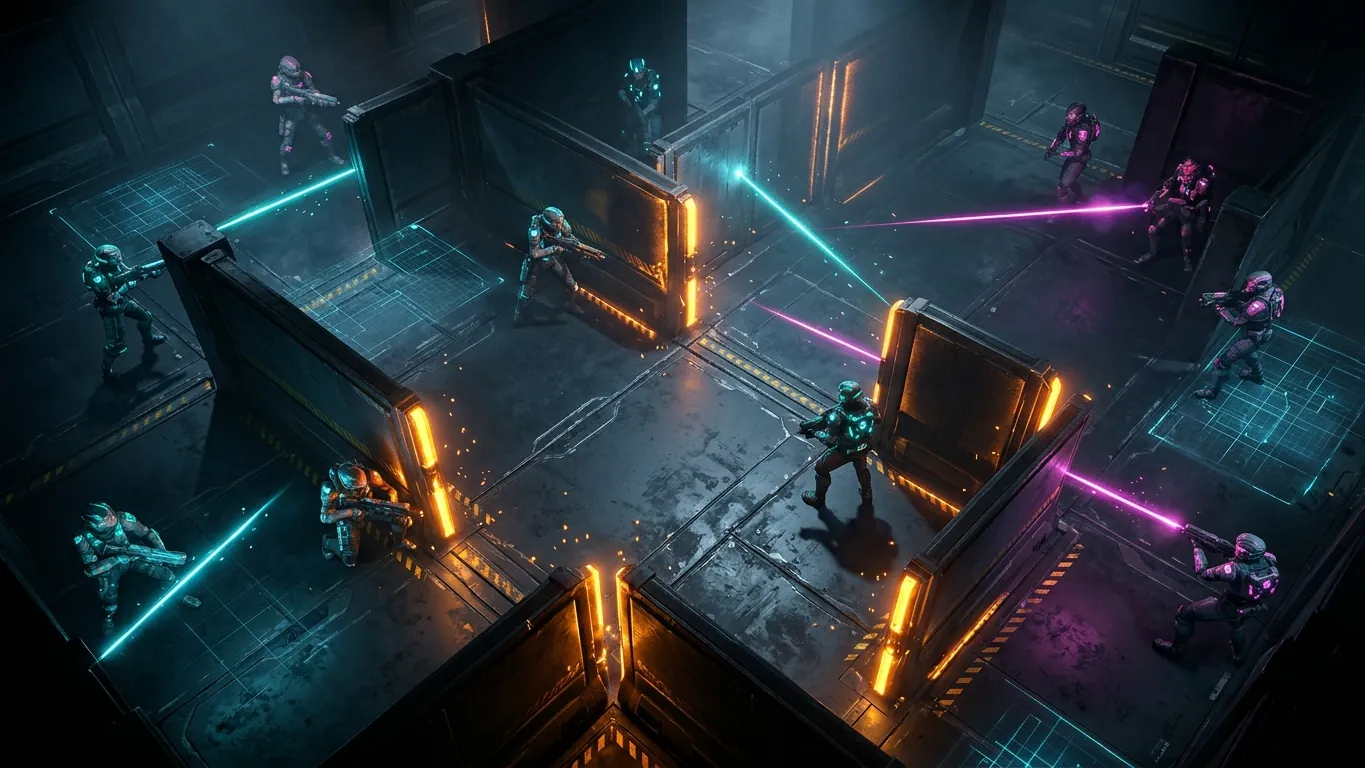 Using the rebuild warning to plan your next move
Tips for using the warning before each arena rebuild: a simple routine, reading the holographic map under pressure and avoiding common mistakes.
Read more
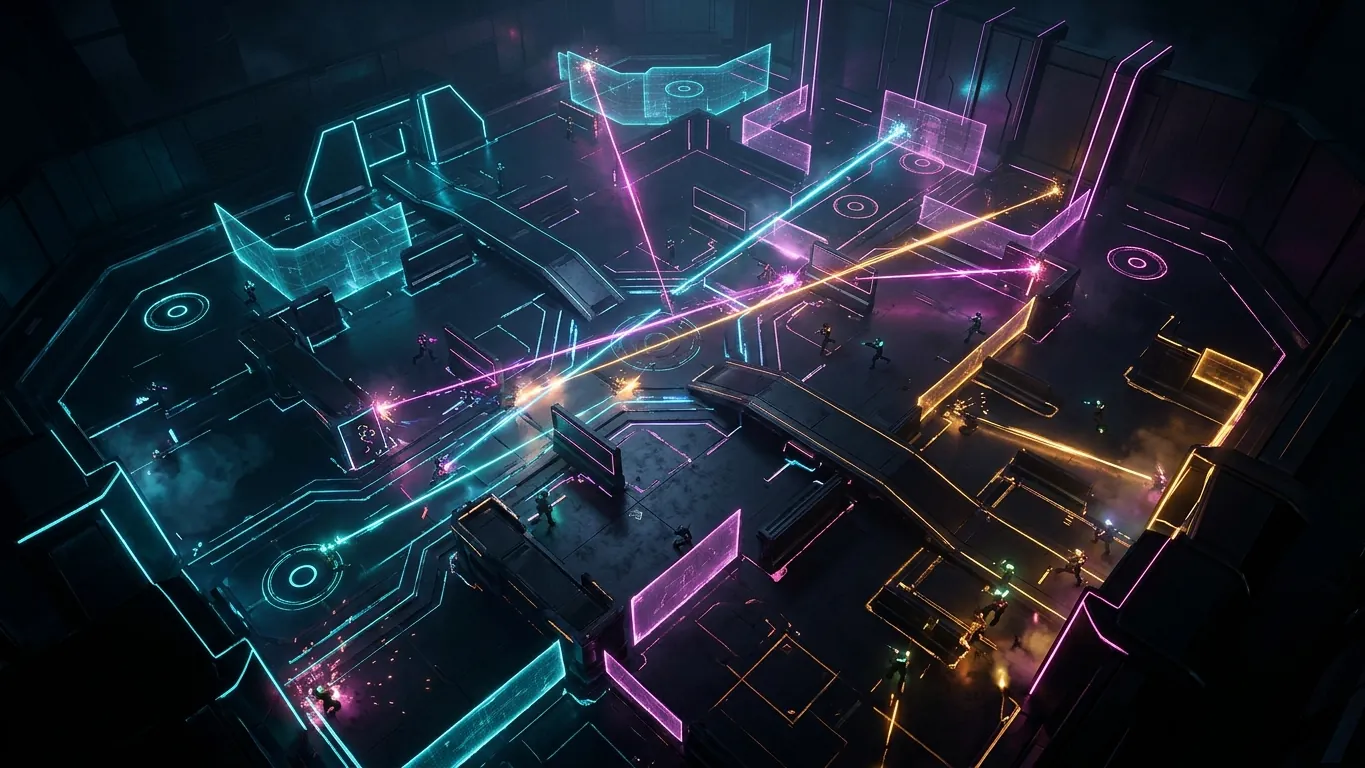 Why dark rooms and bright beams work from above
An opinion piece on the top-down view, dark rooms, bright laser beams, holographic map and English and French interface of shifting maze laser tag.
Read more
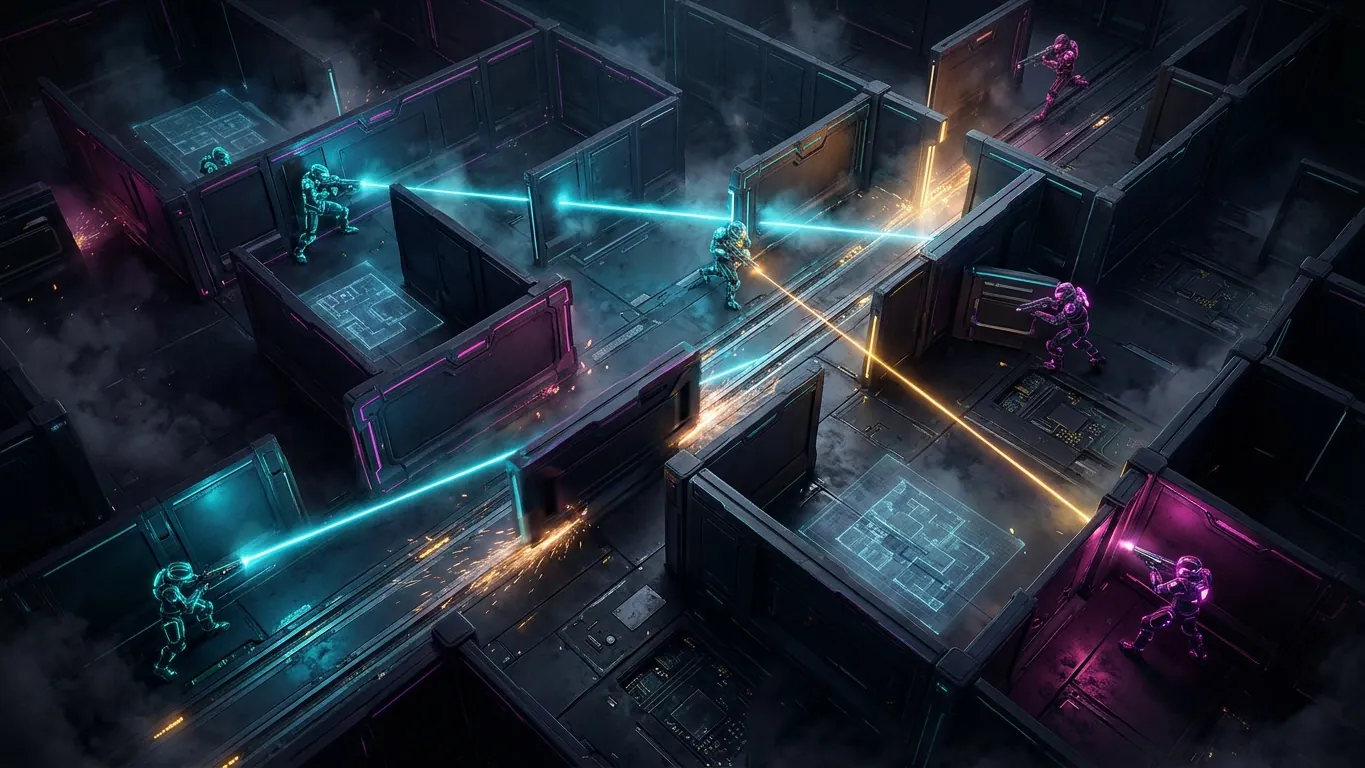 How the shifting maze works
A plain-language introduction to laser tag in an arena whose walls rebuild mid-match: the rebuild warning, the top-down view and why matches stay short.
Read more