A field guide to gear types
The game offers several types of equipment, and each one shapes how you play. This guide groups gear by purpose and explains how to match it to your role and the match goal.
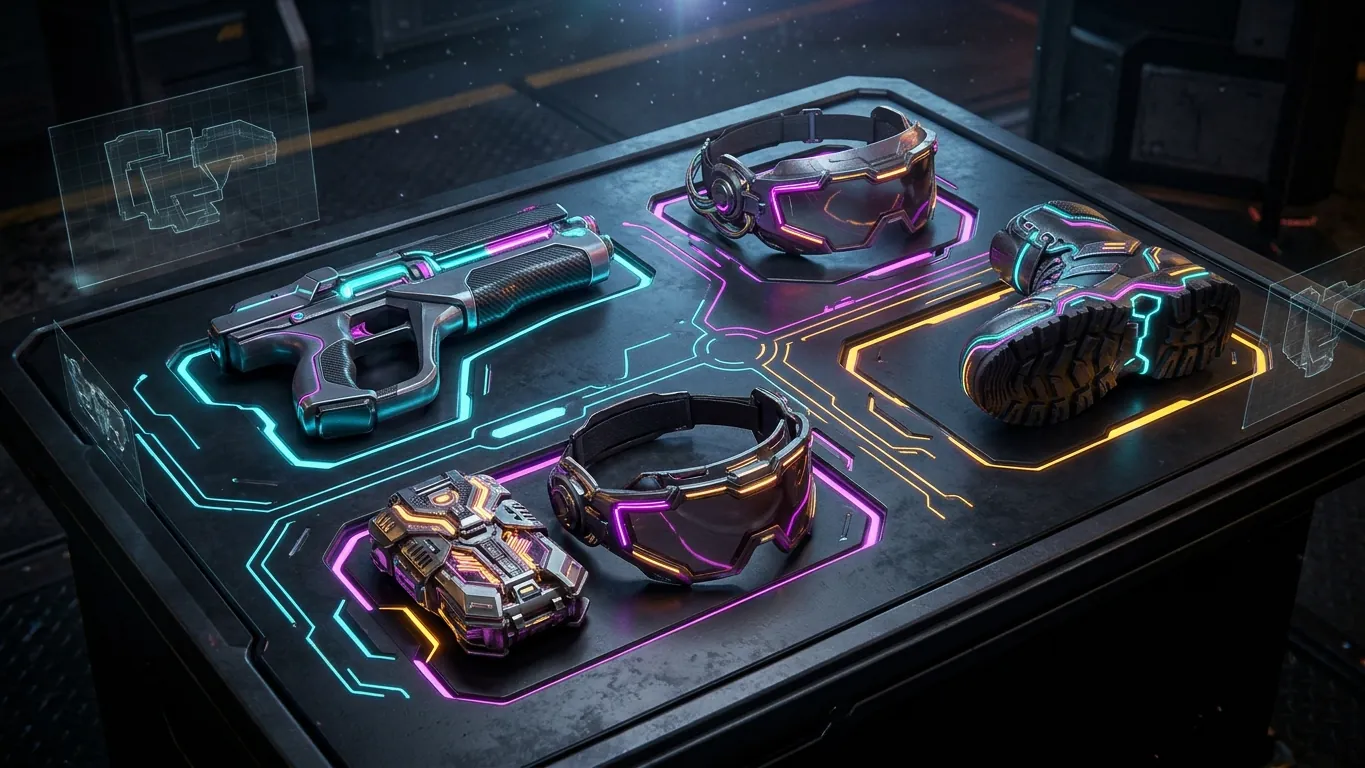
Thinking about gear by purpose
The game includes several types of equipment, and the exact options you see may vary as you play. Rather than trying to memorise every item, it helps to think about gear in terms of what it does for you. Most equipment in a game like this falls into a few broad purposes: helping you move, helping you survive and helping you know more about the arena.
Thinking by purpose makes choices simpler. Before a match, ask what you expect to need most. Will you be racing between control points, holding one firmly or searching for rivals in newly opened corridors? The answer usually points toward a particular kind of equipment.
Gear that changes how you move
Movement-focused gear suits players who want to make the most of rebuilds. In a maze that rearranges itself, the ability to reach a new opening quickly can matter more than raw firepower. This kind of equipment pairs naturally with fast attacks and scouting.
The main trade-off is that mobility often comes at the expense of staying power. Moving quickly is useful only if you know where you are going. Players using movement gear benefit most when they check the holographic map during each warning and plan a destination before the walls settle. Without that planning, speed can simply carry you into trouble faster.
Gear that protects
Protective equipment helps you stay in the fight longer, which makes it a natural fit for defenders and anyone holding a control point through a rebuild. When the walls shift and new entrances open, protective gear can give you a moment to reposition rather than being caught exposed.
Timing is the key skill. Using protection too early may leave you without it when the real pressure arrives. Many players find that the moment just after a rebuild, when attackers pour through fresh openings, is a sensible time to rely on it. Protective gear also pairs well with an awareness of reflective surfaces, since reflected beams are often what catch defenders off guard.
Gear that reveals
Information-focused gear helps you understand what is happening beyond your immediate surroundings. In a dark arena that keeps changing shape, knowing where rivals are or what a new corridor holds can be just as valuable as moving fast or staying protected.
This kind of equipment is especially useful for scouts, who rely on seeing ahead of the team. It also supports careful defenders who want early notice of an incoming attack. The challenge is acting on what you learn. Information has value only if you or your team respond to it, so practise turning what you see into a clear decision, such as shifting position or choosing a different route.
Matching gear to role and victory condition
The most effective gear choice usually comes from combining your role with the match's goal. A scout in a capture-focused match might lean toward movement and information. A defender in a match decided by holding points might prefer protection. A rusher facing a short match with a clear target may want whatever gets them there quickest.
Because matches are short, there is room to experiment. Try a piece of equipment you rarely use and see how it changes your decisions. Even if it does not suit you, you will understand how rivals might use it against you. Over time, you will develop a few reliable combinations for different situations, along with the confidence to adjust them when the arena throws something unexpected your way.
Related articles
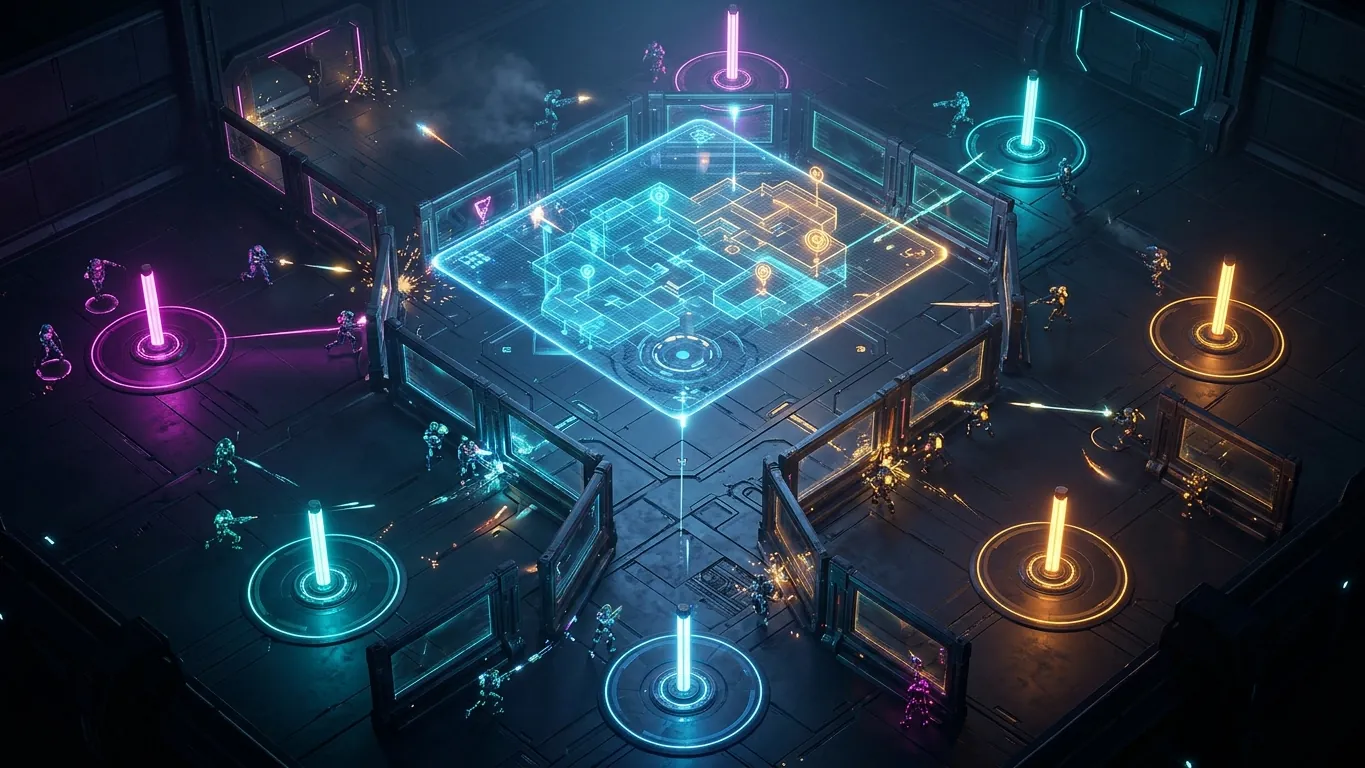 Short matches, different goals
Learn how different victory conditions change your priorities in short shifting maze laser tag matches, from holding control points to tagging rivals.
Read more
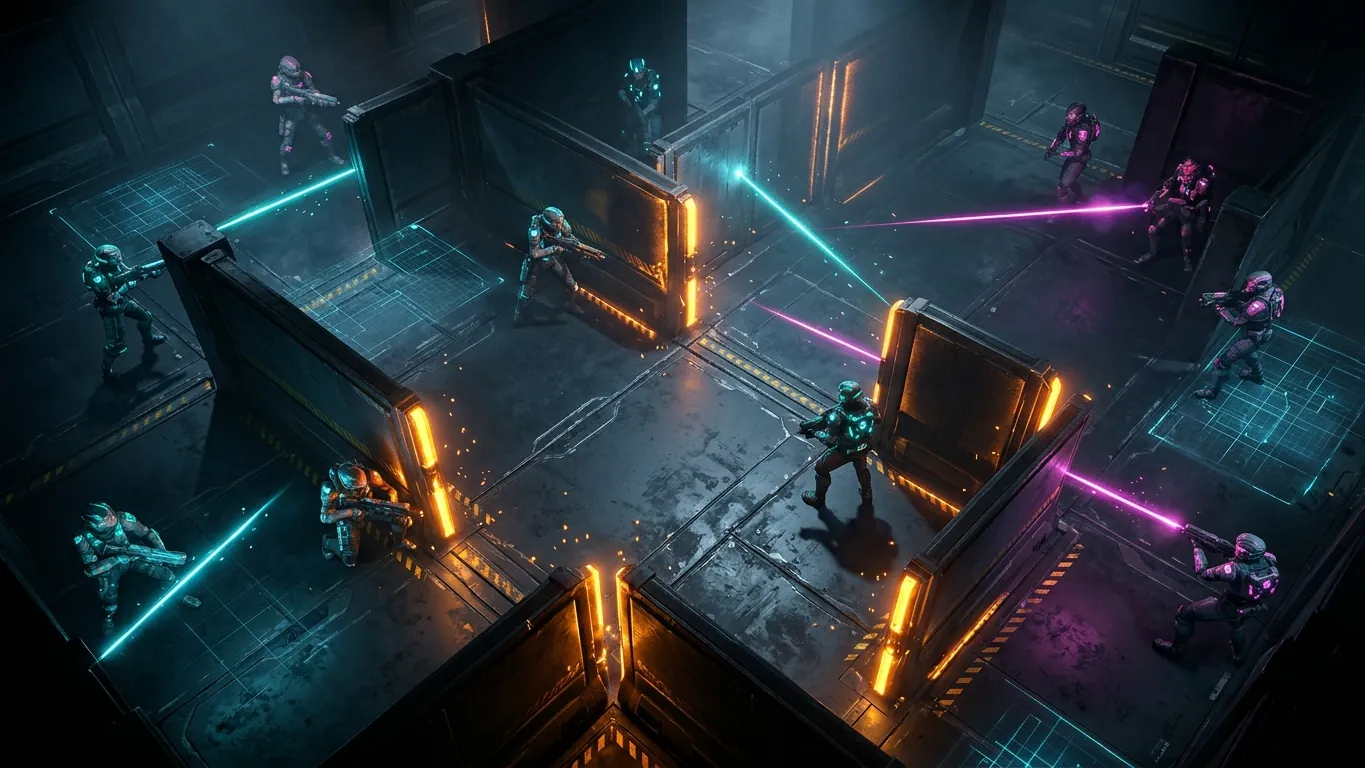 Using the rebuild warning to plan your next move
Tips for using the warning before each arena rebuild: a simple routine, reading the holographic map under pressure and avoiding common mistakes.
Read more
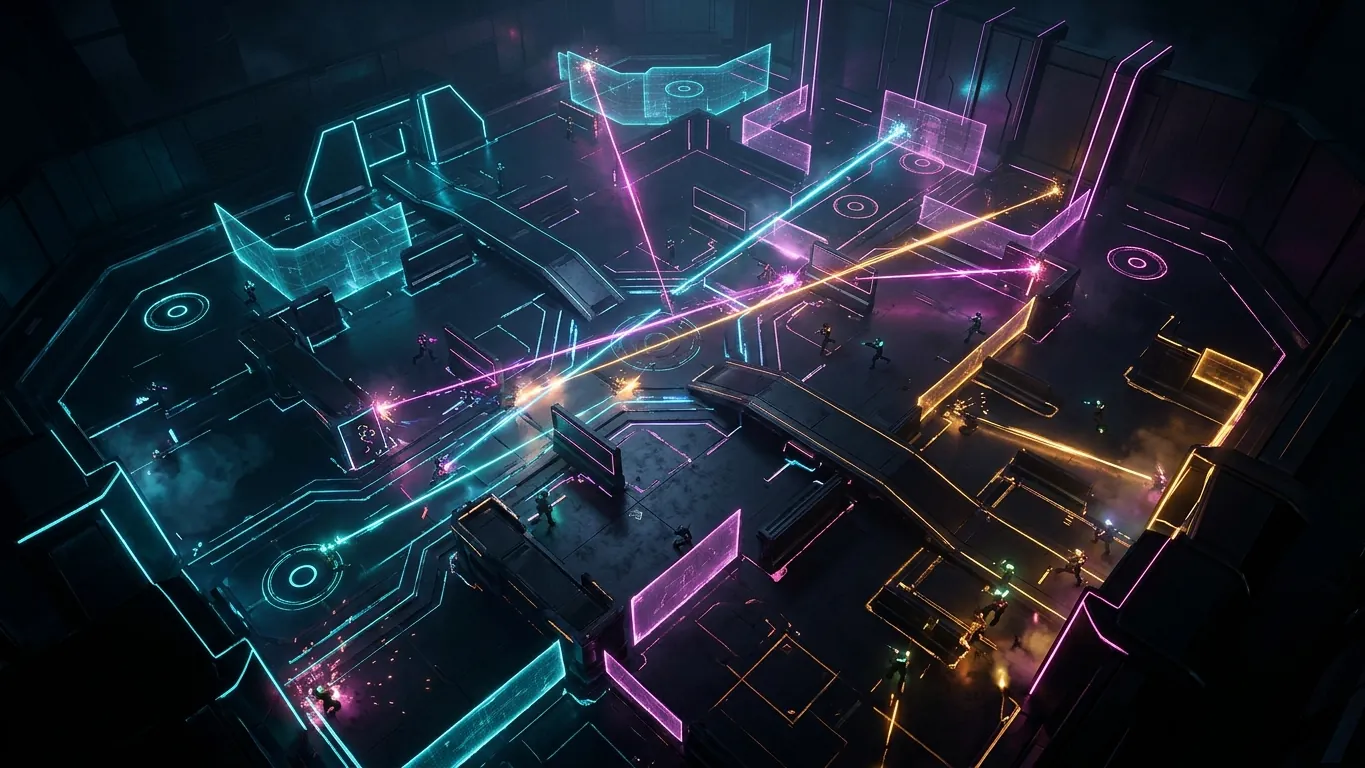 Why dark rooms and bright beams work from above
An opinion piece on the top-down view, dark rooms, bright laser beams, holographic map and English and French interface of shifting maze laser tag.
Read more