Capturing control points in a moving maze
Control points are the fixed anchors of every match, but the routes to them keep changing. This guide covers how to approach, capture and hold them with a clear plan.
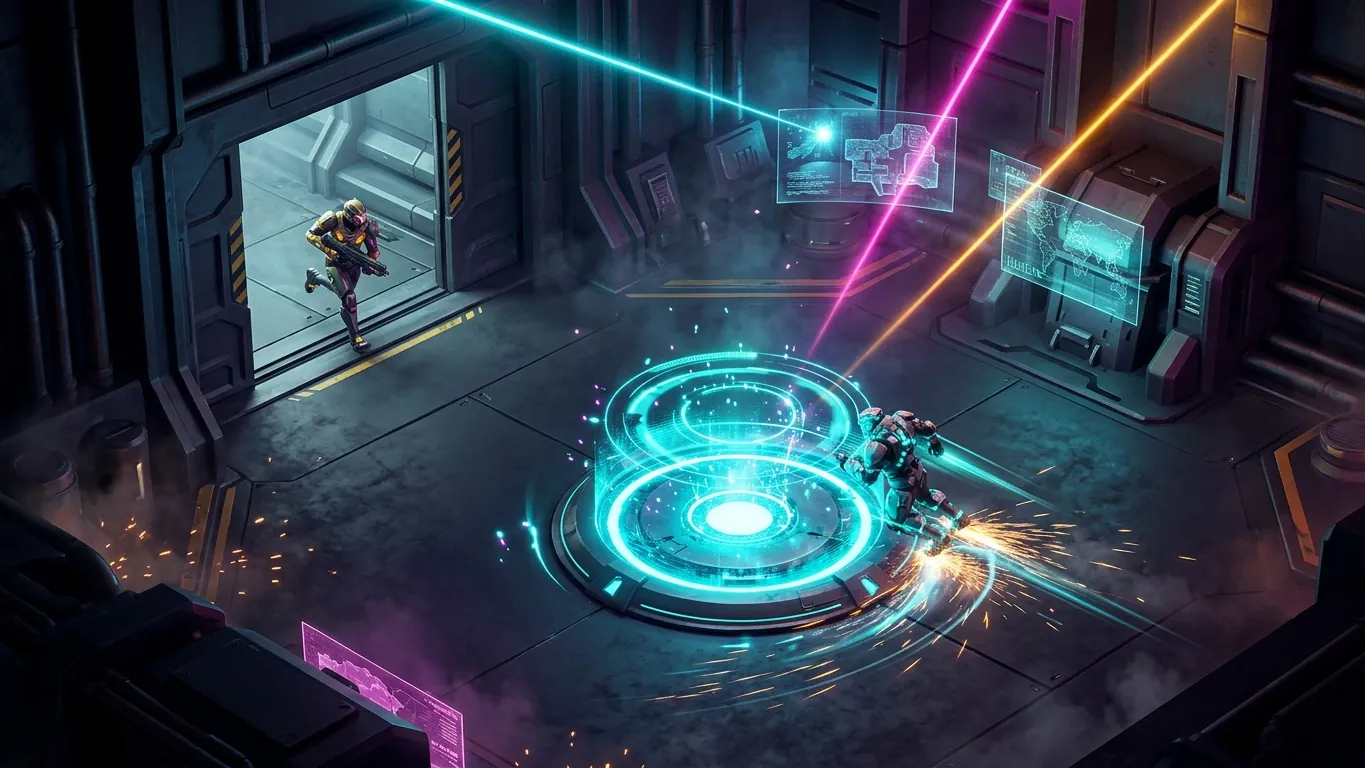
What a control point asks of you
A control point is a marked area of the arena that your team can capture and hold. Depending on the victory condition, holding points may earn progress toward a win, or capturing a set of them may end the match outright. Either way, control points are where most of the action gathers.
What makes them interesting in this game is that they stay where they are while everything around them moves. A point that sits at the end of a long open corridor might, after a rebuild, be surrounded by tight turns and blind corners. Capturing well is therefore a mix of positioning, timing and reading the arena, not simply running in faster than your rivals.
Approach routes and why they change
Before each push toward a point, look at the routes available right now and the routes that might open after the next rebuild. The holographic map helps here: it shows the current layout and lets you spot which wall segments separate you from your target.
A useful habit is to think in terms of a main route and a backup route. The main route is the quickest path in the current layout. The backup route is the one you would take if a wall closed in front of you. When a warning appears mid-approach, you are not forced to improvise from nothing; you already know your second option. Players who plan two routes tend to arrive at points in a calmer, more organised state.
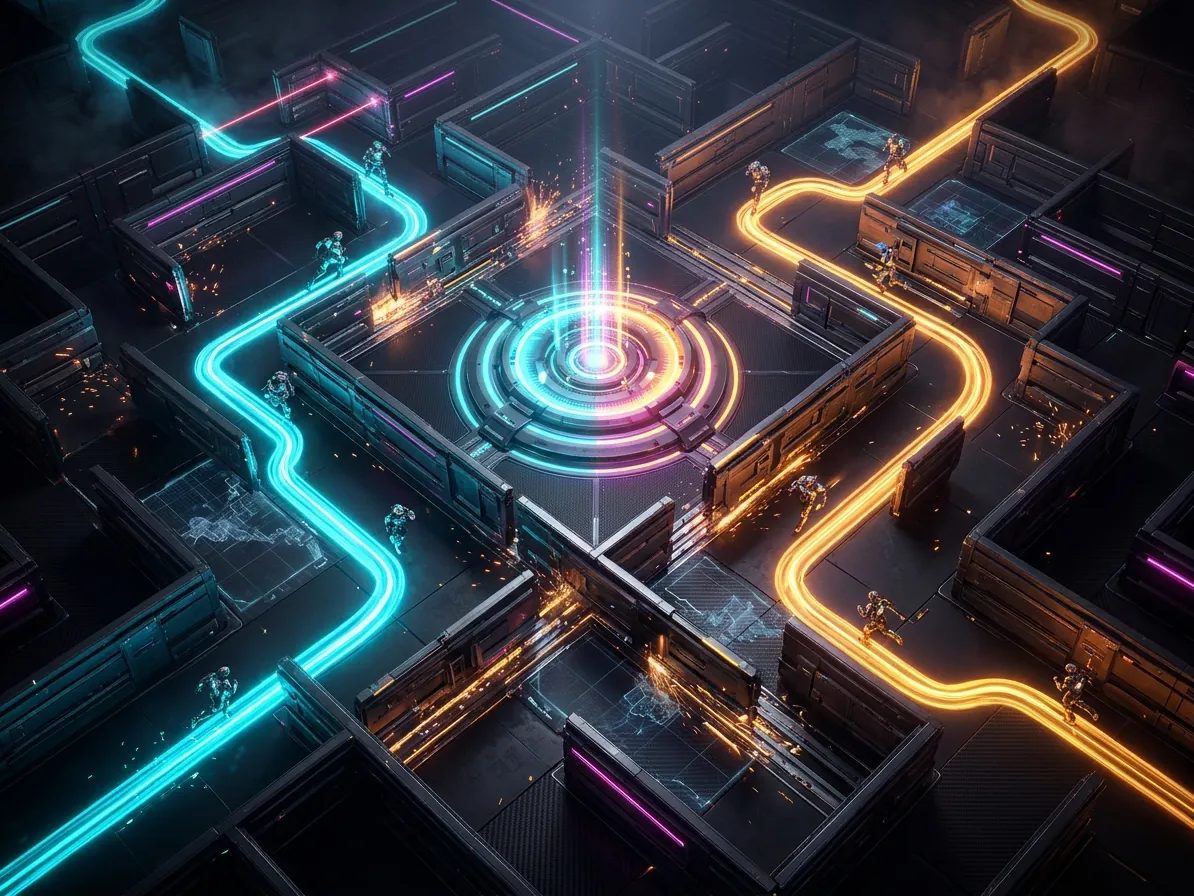
A capture routine you can repeat
This five-step routine works for most captures and is simple enough to use under pressure.
- 01
Scan the map
Check which team holds the point and where rivals were last seen around it.
- 02
Choose two routes
Pick a main path and a backup path in case a rebuild closes the first one.
- 03
Check reflective angles
Look for mirrored surfaces near the point that rivals could use to reach you indirectly.
- 04
Enter from cover
Move onto the point from the side with the most nearby protection rather than the most open approach.
- 05
Plan the next rebuild
Once on the point, decide whether you will hold it or move on when the next warning appears.
Holding a point after a rebuild
Capturing is often the easier half. Holding a point through a rebuild is where many matches are decided. When the warning appears while you are standing on a point, take a moment to consider which approaches might open toward you. A wall that currently protects your back could slide away, leaving an exposed side.
Defensive players should position themselves where they can see the most likely new entrances once the walls settle. If you have gear that helps with protection or information, the moment just after a rebuild is often a sensible time to use it. Remember that rivals also see the warning and may already be moving toward the new openings.
When to let a point go
Not every point is worth holding at any cost. If a rebuild leaves a point surrounded by open corridors and reflective panels that favour attackers, staying there may simply mean being tagged repeatedly. In those moments, it can be wiser to fall back, regroup and plan a recapture once the arena shifts again.
The victory condition matters here. In a match where the team holding points longest wins, giving up a point briefly may be acceptable if it lets you take it back in better shape. In a match decided by capturing every point, losing one can be more costly. Read the goal at the start of each match, and let it guide how stubbornly you defend.
Related articles
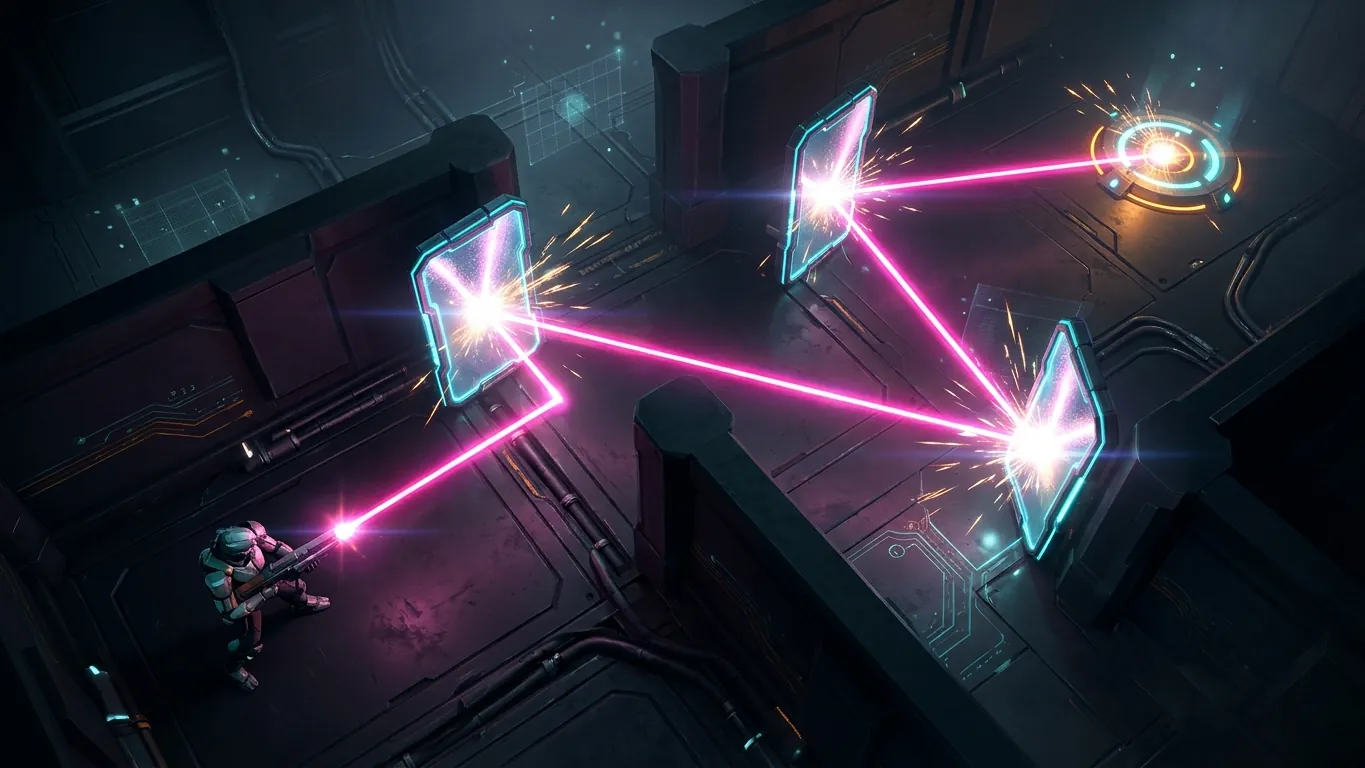 Bank shots and mirrors: reflective surfaces explained
An explainer on reflective surfaces in shifting maze laser tag: how angles work from above, how to use bank shots and how to stay aware of indirect beams.
Read more
 Scout, defender or rusher: choosing your playstyle
Compare scouting, defence and fast attacks in shifting maze laser tag, and learn how to choose a playstyle and when switching roles makes sense.
Read more
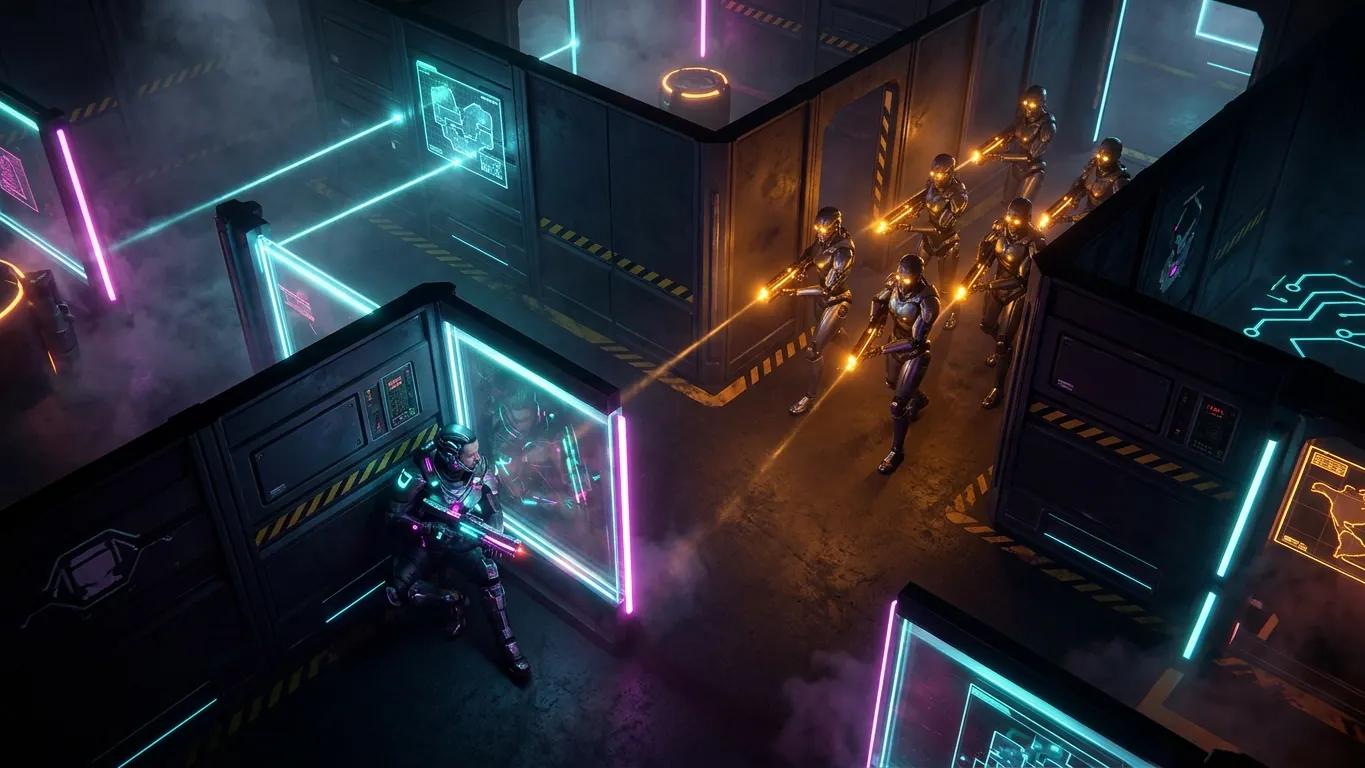 Facing computer-controlled rivals
Practical tips for playing against computer-controlled rivals in shifting maze laser tag: patterns to watch, using rebuilds and turning practice into…
Read more