How they approach points
Watch which routes rivals favour when heading toward a control point, and whether they change after a rebuild.
Computer-controlled rivals offer a steady way to learn the shifting arena. These tips explain how to read their behaviour and use practice matches to build lasting habits.
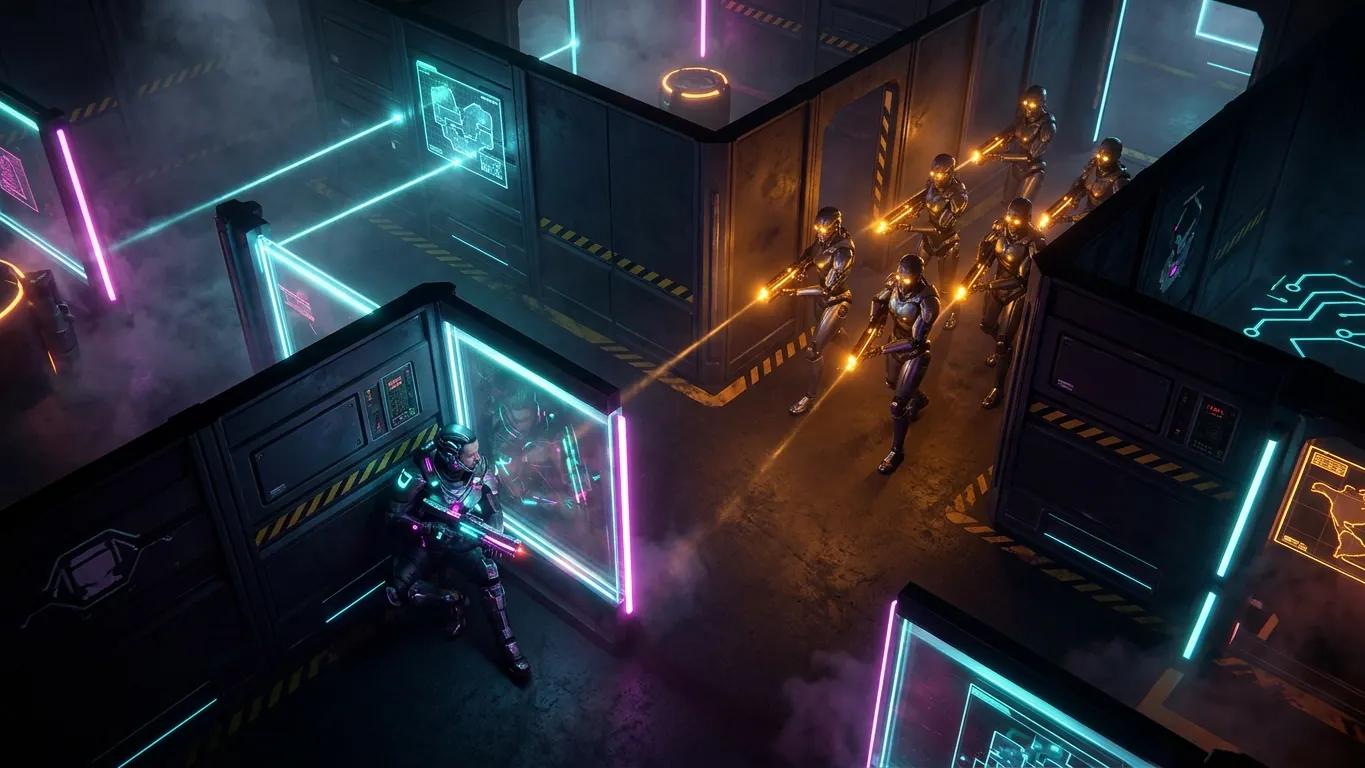
The game includes rivals controlled by the computer, and they are more useful than many players assume. Matches against them give you space to learn the rhythm of rebuilds, test bank shots and try different roles without the pressure of a close contest.
Computer rivals also make it easier to notice your own habits. When you are not worried about every exchange, you can pay attention to things like where you tend to stand when a warning appears or how often you check the holographic map. Those observations carry over directly to every other kind of match you play.
Computer-controlled rivals react to the arena in ways you can learn to read. These are useful things to observe during practice.
Watch which routes rivals favour when heading toward a control point, and whether they change after a rebuild.
Notice where rivals stop and wait. These spots often reveal strong positions you can use yourself.
Observe what rivals do when a rebuild warning appears. Some behaviour may give you a moment to act.
Check whether rivals defend against bank shots, and which angles seem to catch them off guard.
Rebuilds are a moment when every participant has to reorient, and computer rivals are no exception. When the warning appears, think about where rivals are likely to end up once the walls settle. If a corridor they are using is about to close, they will need to take a different path, and you may be able to wait for them at the new opening.
It also helps to position yourself so that the rebuild works in your favour. Standing next to a wall that is about to slide away can leave you exposed, while standing near a segment that will create fresh cover gives you a strong place to act from. Practising this reading of the arena against computer rivals makes it feel natural in more demanding matches.
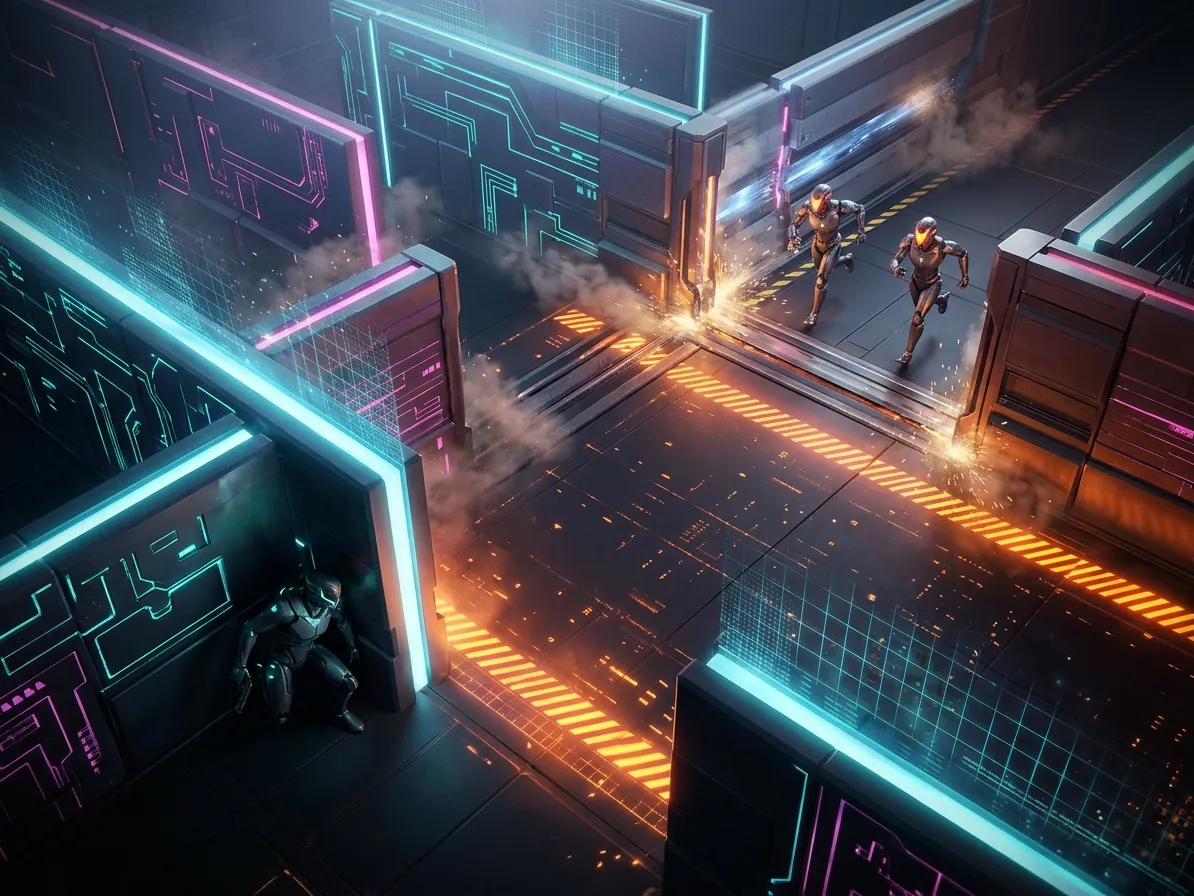
Practice is most useful when it is varied. Try computer matches with different victory conditions so you learn how rivals behave when the goal changes. A match decided by holding points will feel very different from one focused on capturing them.
You can also vary your own approach. Play a few matches purely as a scout, then a few as a defender, then a few as a rusher. Each role puts you in different situations against the same opponents, and you will start to see how strengths in one style can cover weaknesses in another. Switching equipment from match to match is another simple way to keep practice fresh and informative.
The goal of practice is not to win every computer match but to build habits that work under pressure. Choose one focus per session: checking the map at each warning, landing single-bounce shots or moving onto points from cover. Repeat it until it happens without conscious effort.
After a few matches, take a moment to reflect. What surprised you? Where did you get tagged most often? Did you react calmly to rebuilds or rush into dead ends? Short matches make this kind of review easy because each one is fresh in your mind. Over time, small adjustments add up, and the arena starts to feel familiar even though its walls never stay still.
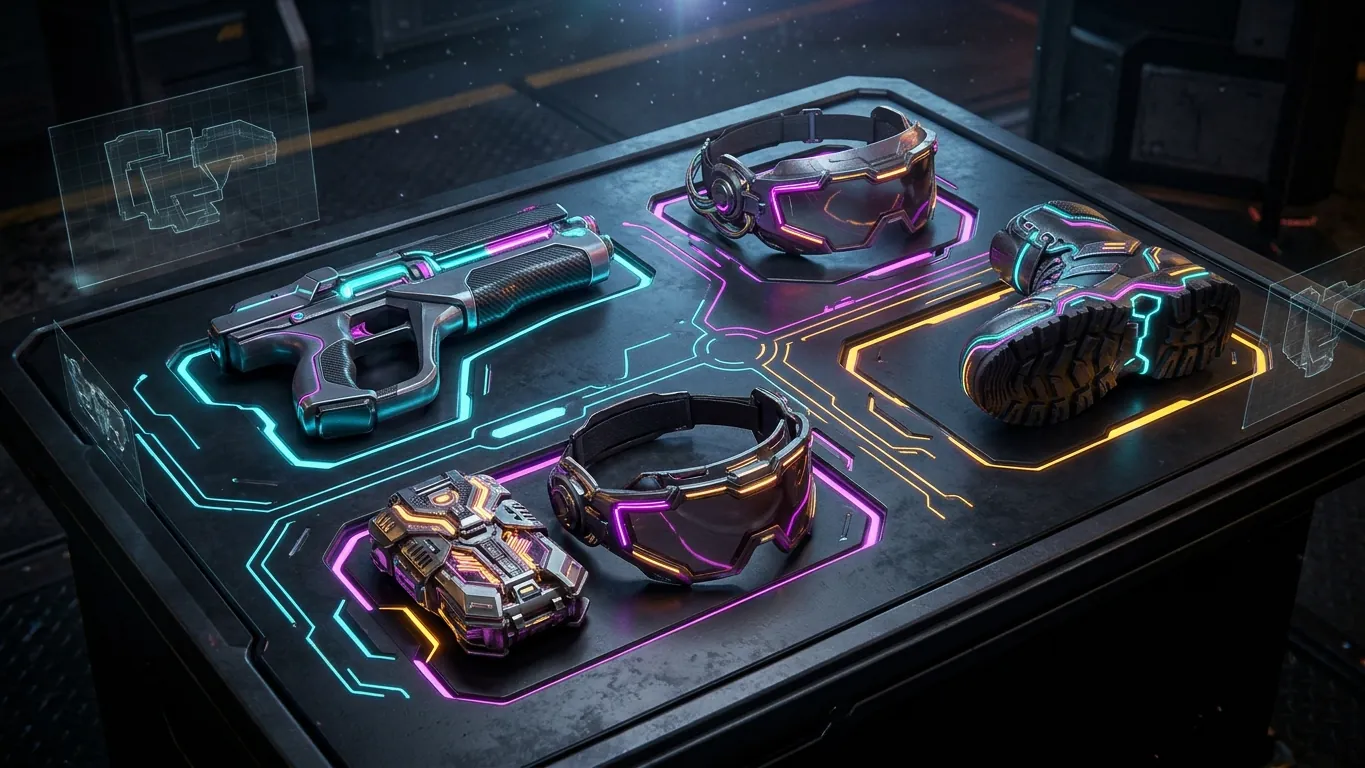 A field guide to gear types
An overview of equipment types in shifting maze laser tag, grouped by purpose: movement, protection and information, and how to match gear to your role.
Read more
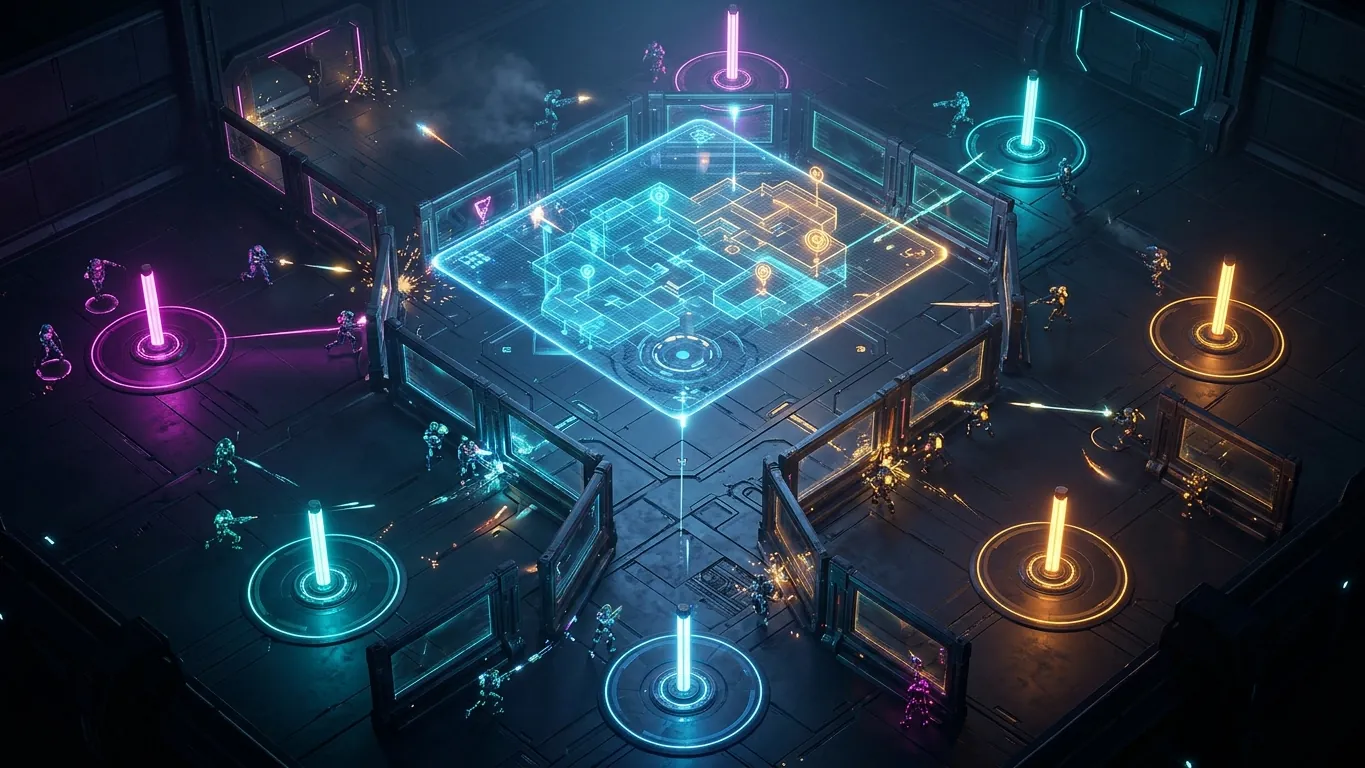 Short matches, different goals
Learn how different victory conditions change your priorities in short shifting maze laser tag matches, from holding control points to tagging rivals.
Read more
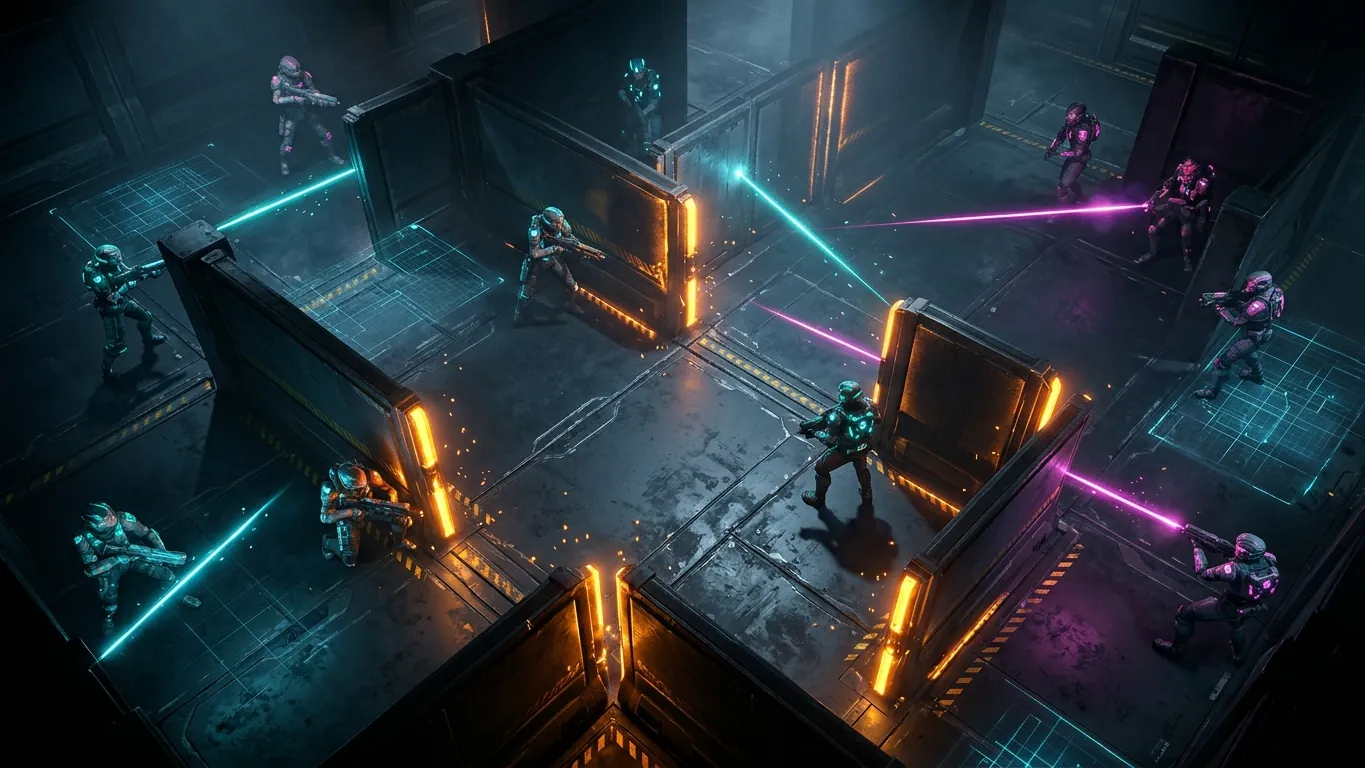 Using the rebuild warning to plan your next move
Tips for using the warning before each arena rebuild: a simple routine, reading the holographic map under pressure and avoiding common mistakes.
Read more